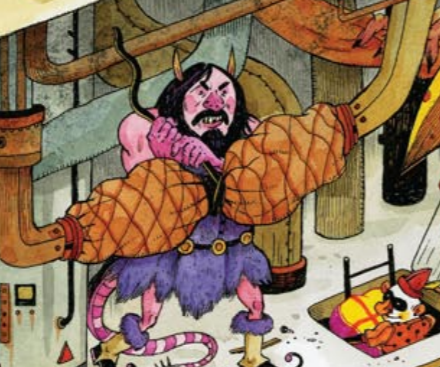
Within Tim Berners-Lee's Long Live the Web, he stresses the importance of open standards. This pertains to the ability for any internet user to access and use the the information and tools that are output to the web. Great websites have grown and been built from publicly available open tools such as HTML and HTTP. No permission is needed to use these tools allowing for a thriving diverse internet. When a section of the web becomes closed, as described by Lee with closed off Apple domains, the peak of possibility and diversity in internet webpages are hindered.
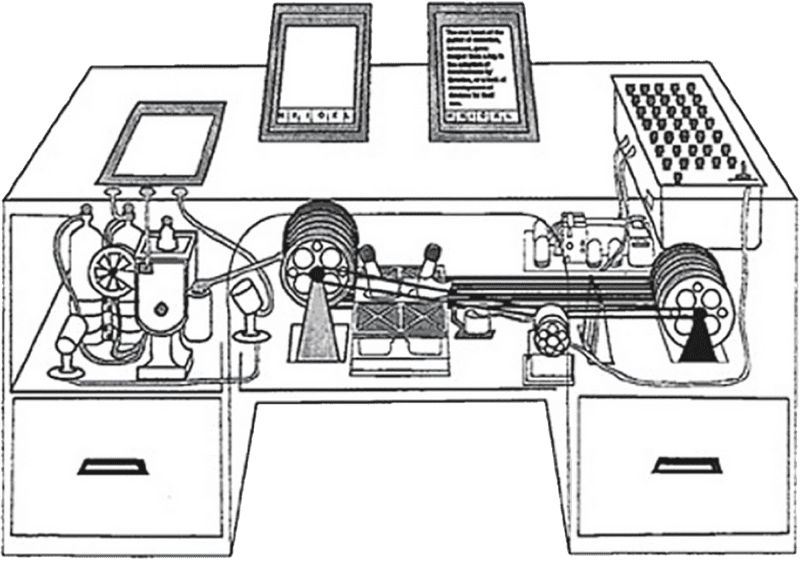
In the 1945 editorial As We May Think by Vannevar Bush, the capability of a hypertext machine is explored. The Memex hypothetically is a machine that allows for the massive storage of useful information in a hypertext form in microfilms. Comparative to the modern internet, Bush explores how the Memex would be an open source of information like an encyclopedia. The importance of an open standard, being able to access any piece of information on the machine in any order is explained.

Freedom on the web is an essential and hot topic in current events. The internet is becoming more and more neccessary to daily life in many aspects of society. Its wide use and wealth of information requires a steady hand when it comes to regulation. The openness of the internet is important for future enrichment and advancement of society due to its educational and commercial value. With the privatization of web pages and thus information, society is limited. Berners-Lee brings up how in Finland broadband access to the internet is a right. While it rings true now, the discussion of the memex in Bush's piece stated that such a powerful source of information would be a right, and the statement will only get more and more important as the internet is ingrained further in society in the future.